
"coffee farming Ethiopia"
3000 article(s) found

Introduction to the characteristics of Ethiopian Fine Coffee Bean Flavor Manor
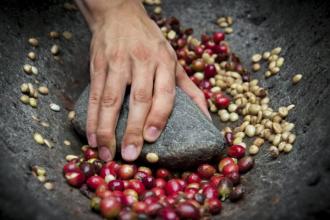
Take a closer look at the growing coffee fruit. This kind of fruit contains coffee beans. Photography: the importance of AMI VITALE,PANOS because of the relatively remote and poor conditions in this country, researchers have been able to come here to do research so far. Coffee farmers in many countries are under pressure from production, and coffee farmers in Ethiopia are no exception. Sekercioglu told me
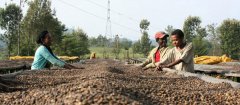
Flavor, characteristics, taste and manor introduction of naturally fermented Ethiopian coffee
Ethiopia has unique natural conditions suitable for growing all imaginable varieties of coffee. As a upland crop, Ethiopian coffee beans are mainly grown in areas between 1100 and 2300 meters above sea level, roughly distributed in southern Ethiopia. Deep soil, well drained soil, weakly acidic soil, laterite and soil are soft and contain
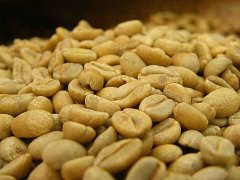
Detailed introduction of washing beans in Ethiopia red cherry plan hole plus chair cleaning station
Professional barista exchanges please follow the coffee workshop (Wechat official account qianjiecoffee) Ethiopian red cherry plan hole plus chair cleaning station to wash beans Ethiopia is the first country to discover coffee, in terms of coffee quality and output is still the most important producing country and the best, coffee is mostly traditional Arabica species, annual output is about 350000 tons and 70%

Top Ten Coffee quality Coffee rankings
The Top Ten Top Ten Fine Coffee Coffee Association (SCAA) Baker Association 2012 raw bean contest (COTY-Coffees of the Year) ended a few days ago. 250 kinds of raw coffee beans from 26 countries in the world's major coffee producing regions took part in the competition for the 2011 / 12 Global Best Fine Coffee Award. After the professional judges on the dry aroma, wet fragrance, taste and style of the participating coffee

Ethiopian Coffee Trading system explains in detail the relationship between price and quality of Ethiopian coffee beans
For more information on coffee beans, please follow coffee workshops (Wechat official account cafe_style) according to the Ethiopian decree, there are three coffee export systems, (1) the largest privately owned processing plant system for export through competitive ECX, (2) the cooperative system, and (3) the single farm system. In these three systems, cooperatives and single manors are not thorough.
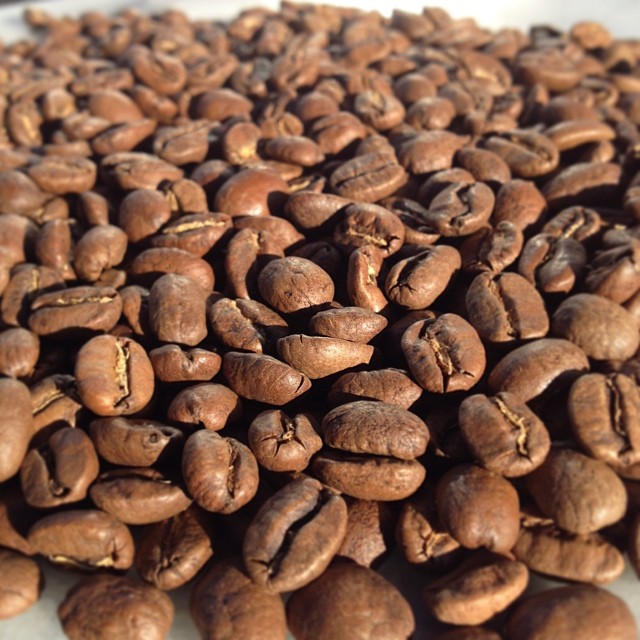
Natural fermentation and Solar Ethiopian Coffee Flavor, characteristics, texture and Manor introduction
Ethiopia has unique natural conditions suitable for growing all imaginable varieties of coffee. As a upland crop, Ethiopian coffee beans are mainly grown in areas between 1100 and 2300 meters above sea level, roughly distributed in southern Ethiopia. Deep soil, well drained soil, weakly acidic soil, laterite and soil are soft and contain

Natural fermented and mellow Ethiopian coffee flavor, characteristics, taste and manor introduction
Ethiopia has unique natural conditions suitable for growing all imaginable varieties of coffee. As a upland crop, Ethiopian coffee beans are mainly grown in areas between 1100 and 2300 meters above sea level, roughly distributed in southern Ethiopia. Deep soil, well drained soil, weakly acidic soil, laterite and soil are soft and contain
With unique natural conditions, Ethiopian coffee flavor, characteristics, taste and manor introduction
Ethiopia has unique natural conditions suitable for growing all imaginable varieties of coffee. As a upland crop, Ethiopian coffee beans are mainly grown in areas between 1100 and 2300 meters above sea level, roughly distributed in southern Ethiopia. Deep soil, well drained soil, weakly acidic soil, laterite and soil are soft and contain

Introduction to the coffee farm in Ethiopia Guji-Shakiso English Guji Shakisso
For the exchange of professional baristas, please pay attention to the coffee workshop (Wechat official account cafe_style) the Ethiopian administrative region is divided into four levels, in the order of Region, Zone, woreda and kebele, most of the names of raw coffee beans are named according to this rule. Guji-Shaquiso is located in the southeast of Yejia Sheffield, a well-known producing area, in the administrative division.

Variety characteristics of fermented Natural Solar Ethiopian Coffee introduction to Fine Coffee Bean in Manor
Ethiopia has unique natural conditions suitable for growing all imaginable varieties of coffee. As a upland crop, Ethiopian coffee beans are mainly grown in areas between 1100 and 2300 meters above sea level, roughly distributed in southern Ethiopia. Deep soil, well drained soil, weakly acidic soil, laterite and soil are soft and contain
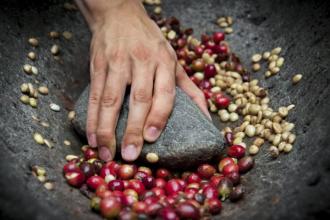
Taste characteristics of Solar fermented Natural Ethiopian Coffee introduction to Fine Coffee Bean in Manor
Ethiopia has unique natural conditions suitable for growing all imaginable varieties of coffee. As a upland crop, Ethiopian coffee beans are mainly grown in areas between 1100 and 2300 meters above sea level, roughly distributed in southern Ethiopia. Deep soil, well drained soil, weakly acidic soil, laterite and soil are soft and contain

Natural fermentation, mellow and sun-dried Ethiopian coffee flavor, characteristics, taste and manor introduction
Ethiopia has unique natural conditions suitable for growing all imaginable varieties of coffee. As a upland crop, Ethiopian coffee beans are mainly grown in areas between 1100 and 2300 meters above sea level, roughly distributed in southern Ethiopia. Deep soil, well drained soil, weakly acidic soil, laterite and soil are soft and contain

Ethiopian Coffee Origin Ethiopian Coffee Farm
The birthplace of coffee-Ethiopia. The coffee tree originated in Ethiopia, where it was originally a wild plant, and the name coffee comes from the Ethiopian town of Kaffa. In fact, many coffee trees in Ethiopia are still wild plants, and the coffee grown on this coffee tree is full of particles and slightly fragrant. Humans may have been as early as the 9th century

Characteristics of natural fermented, mellow and insolated Ethiopian coffee varieties taste manor boutique coffee bean flavor
Ethiopia has unique natural conditions suitable for growing all imaginable varieties of coffee. As a upland crop, Ethiopian coffee beans are mainly grown in areas between 1100 and 2300 meters above sea level, roughly distributed in southern Ethiopia. Deep soil, well drained soil, weakly acidic soil, laterite and soil are soft and contain

Introduction to the characteristics of Panamanian Cupid Cupid Coffee Flavor Manor
Species of Geisha were discovered in the Rose Summer Forest of Ethiopia in 1931 and sent to the Coffee Research Institute in Kenya, introduced to Uganda and Tanzania in 1936, introduced to Costa Rica in 1953, and Panama was introduced in the 1970s by Mr. Francico Serraxin of the Tonba Seven Farm Garden from CATIE in Costa Rica and began to grow Rose Summer Coffee. G

The flavor of Ethiopian Sidamo coffee beans? Introduce the traditional wild G3 days in Sidamo coffee producing area.
Professional coffee knowledge exchange more coffee bean information please follow the coffee workshop (Wechat official account cafe_style) Ethiopia Sidama coffee bean flavor? This paper introduces the characteristics of traditional wild G3 sun beans in Sidamo coffee producing area. Ethiopia is the country where coffee was first discovered. Today, there are still many wild coffee harvested by farmers in the virgin forest. Ethiopia is a country where coffee is first discovered.
Flavor characteristics of coffee producing area information of addis ketema Adis coffee in Yechuefi, Ethiopia
The exchange of professional baristas please follow the coffee workshop (Wechat official account cafe_style) Ethiopia is the country where coffee was first discovered, and it is still the most important producing country and the best in terms of coffee quality and output. Most coffee is the traditional Arabica species, with an annual output of about 350000 tons and more than 70% exported to countries around the world. About 15 million people in the country are engaged in coffee.
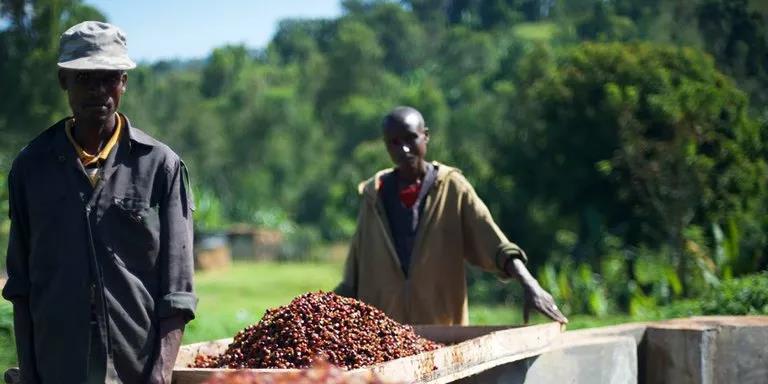
Ethiopian Coffee | characteristics of Nine boutique producing areas and Coffee Trading system
For more professional coffee exchanges, please scan the code to follow Wechat: FrontStreetCoffee Ethiopian name: Ethiopia location: East African Capital: Adis Abba Addis Ababa Religion: Christian main language: Amharic time Zone: GMT+3 Metrology: metric (Metric) currency: bill Birr (1 $20 birr) Agricultural products (Export): coffee, Flowers, Zhi

Sidamo Red Cherry Project Skokuto Farm in Euramia introduces Essex boutique coffee
SukoQuto coffee grows in OromiaRegion, one of the largest producing areas of Ethiopia, and the farm is located in Guji, to the south of Oramia, next to the producing areas of Sidamo and Gedeo. SukoQuto Farm covers an area of 221 hectares, with an altitude of 1830 to 1950 meters above sea level.

Variety characteristics of naturally fermented sun-cured Ethiopian coffee introduction to the flavor of fine coffee beans in the manor
Ethiopia has unique natural conditions suitable for growing all imaginable varieties of coffee. As a upland crop, Ethiopian coffee beans are mainly grown in areas between 1100 and 2300 meters above sea level, roughly distributed in southern Ethiopia. Deep soil, well drained soil, weakly acidic soil, laterite and soil are soft and contain